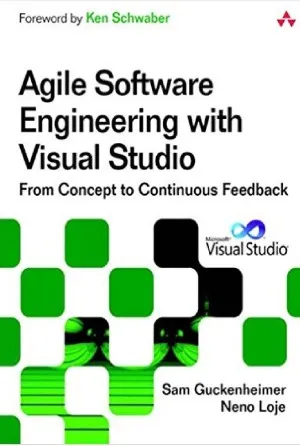
Introduction to Agile Software Engineering with Visual Studio: From Concept to Continuous Feedback
"Agile Software Engineering with Visual Studio: From Concept to Continuous Feedback" offers a comprehensive guide for software developers and teams to seamlessly integrate agile methodologies with Microsoft's Visual Studio. At the heart of this book is the understanding that successful software development is not merely about producing code but creating a culture of continuous improvement and feedback. The combination of agile principles with Visual Studio capabilities propels teams towards achieving high quality and timely delivery of software products.
Detailed Summary of the Book
The book meticulously walks through the journey of adopting agile practices in software development, starting from concept initiation to obtaining continuous feedback. It delves deeply into how Visual Studio and Team Foundation Server (TFS) can aid in managing and automating complex development processes. Key topics include requirements management, automating builds, quality assurance practices, and effective team collaboration. The authors, Sam Guckenheimer and Neno Loje, bring forth their wealth of experience, demonstrating through practical examples how agile principles can be applied using Visual Studio tools. The book does not merely focus on the technical aspects, but it also emphasizes nurturing an agile mindset within teams.
Key Takeaways
- Learn how to integrate agile practices using Visual Studio and Team Foundation Server (TFS).
- Understand the role of continuous feedback in refining requirements and improving product quality.
- Discover how automation in builds and tests can enhance software quality and reduce delivery time.
- Gain insights into fostering collaboration and promoting efficient communication within development teams.
- Explore practical case studies illustrating successful agile transformations.
Famous Quotes from the Book
"The essence of agility lies in the speed of feedback you receive and how quickly you can act upon it."
"Improving software quality does not mean adding more testers, but embedding quality into the process itself."
"Agility is more about responding to change than following a plan, ensuring you meet changing user needs."
Why This Book Matters
In today's fast-paced software development environment, the ability to adapt to change quickly is vital for success. "Agile Software Engineering with Visual Studio: From Concept to Continuous Feedback" is an essential resource for both new and experienced developers aiming to refine their agile practices. By combining practical guidance with rich examples, the book serves as a critical tool for teams looking to enhance productivity and improve software quality. The integration of agile methods with Visual Studio is especially relevant for organizations using Microsoft technologies, supporting a seamless transition towards more agile workflows. Ultimately, this book addresses the ever-growing need for organizations to innovate while maintaining responsiveness to user demands and market trends.