

Book guide and evaluation
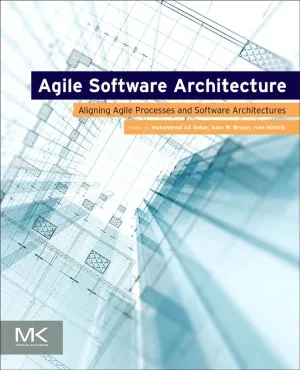
Agile Software Architecture Aligning Agile Processes and Software Architectures
Muhammad Ali Babar,Alan W. Brown,Ivan Mistrik
English
Beginner
Software Engineering
4.9 / 5
0 reviews
2013
Published
433
pages
151
views
Introduction to "Agile Software Architecture: Aligning Agile Processes and Software Architectures" "Agile Software Architecture: Aligning Agile Processes and Software Architectures" is a must-read guide for professionals looking to bridge the gap between software architecture
Before you read
What will you get from this book?
Introduction to "Agile Software Architecture: Aligning Agile Processes and Software Architectures"
"Agile Software Architecture: Aligning Agile Processes and Software Architectures" is a must-read guide for professionals looking to bridge the gap between software architecture and agile development practices. The book provides actionable insights, theoretical foundations, and practical techniques to thrive in environments where change is constant. Written by Muhammad Ali Babar, Alan W. Brown, and Ivan Mistrik, this book is a comprehensive resource to help architects, developers, and project managers gracefully align software architecture principles and agile methodologies.
Detailed Summary of the Book
Agility in modern software development has brought about paradigm shifts in how teams plan, develop, and deliver technology solutions. At its core, this book addresses the perceived conflicts between traditional approaches to software architecture and the fluid, adaptive characteristics of agile methods. The authors carefully articulate why integrating the rigor of architecture with the flexibility of agile project approaches is critical for building sustainable and scalable systems.
The book delves into several key themes, beginning with a historical overview of software architecture and agile principles. It then explores how the two can complement rather than contradict each other. The authors break down misconceptions, such as the belief that architecture is a limiting factor to agility, and present case studies as practical evidence of successful integration.
The content is divided into focused sections that tackle different aspects of agile architecture, including iterative delivery of architectural components, decision-making in agile environments, and techniques for maintaining architectural integrity in the face of continuous change. Additionally, the authors introduce frameworks, patterns, and best practices to aid practitioners in navigating the challenges of communication, collaboration, and technical complexity. Whether you are a software architect or an agile enthusiast, this book equips you with the knowledge to deliver high-quality solutions.
Key Takeaways
- Understand how lean and agile principles can be applied to software architecture.
- Learn about techniques for maintaining architectural decisions in a rapidly changing environment.
- Discover tools and frameworks for enabling agile team collaboration without compromising technical integrity.
- Grasp how to balance long-term architectural goals with short-term iterative development needs.
- Gain insights into real-world case studies showcasing successful implementations of agile-aligned architectures.
Famous Quotes from the Book
"Architecture is not a barrier to agility—rather, it is an enabler when done right."
"The key to aligning architecture with agile is understanding that both require a shared vision, clear communication, and continuous feedback."
"Technical debt must be managed like financial debt: it can help you move forward temporarily, but unchecked it will cripple you."
Why This Book Matters
As software systems grow in complexity, the need for seamless collaboration between architects and developers has become increasingly important. Traditional views often position software architecture as an upfront activity, disconnected from iterative practices. This book challenges that mindset and offers new perspectives essential for modern professionals.
The significance of this book lies in its emphasis on practicality. By blending theoretical clarity with actionable advice, it gives architects the tools they need to actively participate in agile teams. It also serves as a guide for agile practitioners to appreciate and integrate architectural thinking into their workflows. Furthermore, it highlights the real-world impact of bridging the gap between architecture and agility, including improved project outcomes, better risk management, and faster delivery.
For technology leaders, educators, and practitioners, this book is more than a resource—it is a manifesto for the future of collaborative, responsive, and effective software development. It stands out for its emphasis on fostering cultures where teams thrive on shared understanding rather than rigid hierarchies of decision-making. Simply put, it is a roadmap for achieving architectural excellence in a continuously evolving agile world.
Ask this book
Your question is answered in the context of this title and author. Each answer uses 2 points.
Sign in to ask the book assistant.
Reader reviews
0 reviews, 4.9 average out of 5
No reviews yet
If you have read this book, help the next reader with your experience.
Write a review
Sign in to publish a review.
Reader questions and answers
Ask a focused question and learn from the community.
Sign in to ask or answer a question.
No questions yet
Be the first to ask a clear, useful question.
What to read next
Related references that continue this learning path.



Modern Computer Vision with PyTorch: A Practical Roadmap From Deep Learning Fundamentals to Advanced Applications and Generative AI, 2nd Edition
V Kishore Ayyadevara,Yeshwanth Reddy
2023
View book