

Lessons on the Analytic of the Sublime (Meridian: Crossing Aesthetics)
Jean-Francois Lyotard
1994
View book
Book guide and evaluation
Goldblatt,David
0 reviews
Published
pages
views
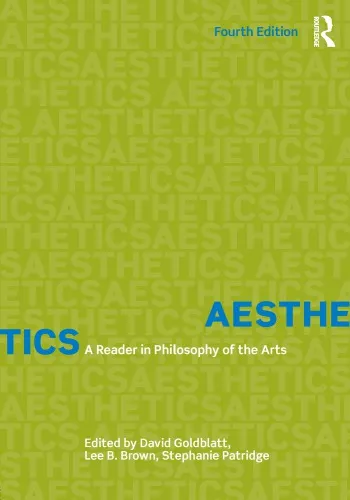
Introduction to "Aesthetics: a Reader in Philosophy of the Arts (4)" A profound exploration into the world of aesthetics and philosophical discourse on the arts, "Aesthetics: a Reader in Philosophy of the Arts (4)" offers readers a comprehensive guide to understanding how
Before you read
A profound exploration into the world of aesthetics and philosophical discourse on the arts, "Aesthetics: a Reader in Philosophy of the Arts (4)" offers readers a comprehensive guide to understanding how art influences and shapes our perception of the world. This book serves as an indispensable resource for both students and enthusiasts of philosophy, providing a detailed introduction to aesthetic theory and critical analyses of various forms of art.
The fourth edition of "Aesthetics: a Reader in Philosophy of the Arts" continues to build upon the solid foundation laid by its predecessors, expanding the dialogue around the interconnection between aesthetics and art. This edition offers new perspectives and updates the reader on current trends in aesthetic theory. It is structured to guide readers through classical philosophical texts as well as contemporary discussions that engage with the evolving landscape of art forms. From literature to painting, sculpture to digital arts, this reader captures a wide spectrum of topics, urging readers to ponder over what qualifies as art and why art matters.
The book is a curated collection of seminal writings by both historical philosophers and modern thinkers, providing diverse viewpoints on key concepts like beauty, taste, and the emotional responses elicited by artistic creations. Readers are introduced to debates about the role of intention, interpretation, and the socio-political contexts surrounding art. Through careful organization, the book allows readers to effortlessly navigate from fundamental questions about aesthetics to more intricate discussions about the moral and ethical implications of art.
"Art is not merely a reflection of society, but a vital component in shaping perceptions and values."
"To understand art, one must first embrace the ambiguity and open their mind to multiple interpretations."
The significance of "Aesthetics: a Reader in Philosophy of the Arts (4)" lies in its ability to transcend traditional boundaries within aesthetic discourse. Art is a dynamic, ever-evolving entity, and this book captures the essence of its complexity by presenting readers with various philosophical lenses through which art can be comprehended. It fosters an environment where critical thinking and intellectual curiosity thrive, encouraging readers to challenge their preconceptions about art and aesthetics.
Moreover, this book is an essential addition to the library of anyone interested in the philosophical underpinnings of art. It not only serves as an educational tool but also as a source of inspiration for creatives, educators, and philosophers alike. By exploring a multitude of voices and ideas, the book enriches our understanding of both historical and contemporary art practices.
Your question is answered in the context of this title and author. Each answer uses 2 points.
0 reviews, 4.0 average out of 5
Sign in to publish a review.
Ask a focused question and learn from the community.
Related references that continue this learning path.
Jean-Francois Lyotard



Martin Lenz,Isabel Iribarren