
Book guide and evaluation
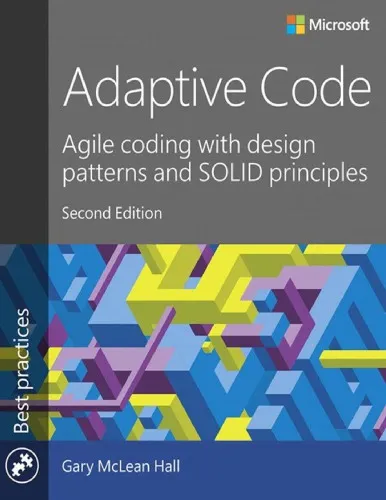
Adaptive Code : Agile Coding with Design Patterns and SOLID Principles
Gary McLean Hall
English
Advanced
Software Development
4.5 / 5
0 reviews
2017
Published
762
pages
655
views
Welcome to a comprehensive introduction to Adaptive Code: Agile Coding with Design Patterns and SOLID Principles, a definitive guide for modern software developers seeking to enhance their coding skills and adopt agile methodologies. This book, penned by Gary McLean Hall, provi
Before you read
What will you get from this book?
Welcome to a comprehensive introduction to Adaptive Code: Agile Coding with Design Patterns and SOLID Principles, a definitive guide for modern software developers seeking to enhance their coding skills and adopt agile methodologies. This book, penned by Gary McLean Hall, provides insights into writing scalable, maintainable, and adaptable code through the application of design patterns and SOLID principles. Below, you'll find an enriched understanding through sections that delve into the book's summary, key takeaways, famous quotes, and the significance of the book in the software development landscape.
Summary of the Book
The book Adaptive Code is an essential resource for developers who aim to produce robust code under the constraints of changing requirements, deadlines, and technologies. The work centers on the understanding and application of design patterns along with SOLID principles to foster code that is easy to modify and extend. The book commences with a grounding in agile practices and proceeds to elaborate on fundamental design principles that ensure code adaptability. Throughout its chapters, readers learn how to apply real-world techniques such as test-driven development, dependency injection, and interface-oriented designs. Gary McLean Hall approaches these topics with clarity, providing both theoretical and practical tools developers can use to adapt their coding practices to the evolving demands of the industry.
Key Takeaways
- Master how design patterns and SOLID principles can be applied to produce adaptive code.
- Understand the significance of agile methodologies in writing maintainable software.
- Learn the importance of code reviews and their contribution to quality assurance.
- Gain insight into practices such as dependency injection and how they augment flexibility and testability.
- Adapt to change by developing skills to refactor and improve legacy code efficiently.
Famous Quotes from the Book
"Code that is easier to change is easier to maintain, and it’s easier to build on and innovate from."
"SOLID is not just an acronym; it embodies the essence of a clean, easy-to-maintain, and scalable codebase."
Why This Book Matters
In today's fast-paced technology environment, adaptability in coding is not just beneficial—it is imperative. Adaptive Code holds its importance due to its thorough exploration of techniques that allow developers to maintain a competitive edge. As the industry trends towards agile methodologies and principles like DevOps, there is considerable emphasis on writing code that can withstand rapid changes. This book equips developers with tools to embrace change actively and responsibly in their coding practices. Additionally, the emphasis on SOLID principles and design patterns ensures that developers produce software that is resilient and scalable. Gary McLean Hall's focus on practical application through examples and exercises makes it a valuable educational resource for both neophyte and veteran developers, ensuring its relevance across all strata of software development.
Ask this book
Your question is answered in the context of this title and author. Each answer uses 2 points.
Sign in to ask the book assistant.
Reader reviews
0 reviews, 4.5 average out of 5
No reviews yet
If you have read this book, help the next reader with your experience.
Write a review
Sign in to publish a review.
Reader questions and answers
Ask a focused question and learn from the community.
Sign in to ask or answer a question.
No questions yet
Be the first to ask a clear, useful question.
What to read next
Related references that continue this learning path.
Collaborative Software Design MEAP V05
Evelyn van Kelle,Gien Verschatse,Kenny Baas-Schwegler
2023
View book