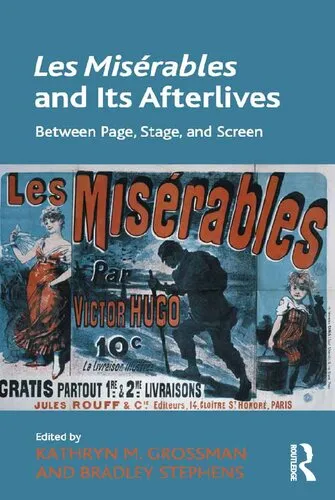
Les Misérables and Its Afterlives: Between Page, Stage, and Screen
Kathryn M. Grossman,Bradley Stephens
2015
View book
Book guide and evaluation
Pascal Nicklas (editor);Oliver Lindner (editor)
0 reviews
Published
pages
views
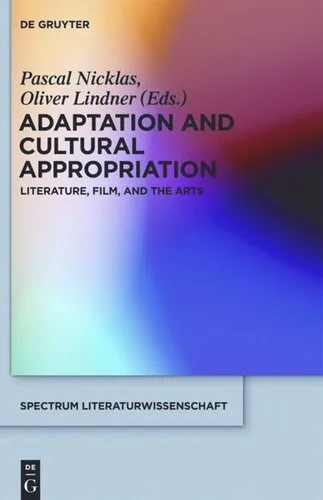
Adaptation and Cultural Appropriation: An Insight The book "Adaptation and Cultural Appropriation: Literature, Film, and the Arts," edited by Pascal Nicklas and Oliver Lindner, explores the intricate relationships between adaptation and cultural appropriation in various
Before you read
The book "Adaptation and Cultural Appropriation: Literature, Film, and the Arts," edited by Pascal Nicklas and Oliver Lindner, explores the intricate relationships between adaptation and cultural appropriation in various artistic expressions. Set against the backdrop of global interconnectedness, the book delves into how cultural exchanges shape literature, film, and the arts, emphasizing the varying degrees of influence and transformation inherent in these interactions.
The book offers a comprehensive analysis of the nuanced dynamics between adaptation and cultural appropriation. It unfolds across multiple essays, each examining the ways in which creative works are reimagined, thereby reshaping cultural landscapes. Beginning with a theoretical framework, the editors present a collection of case studies that span across genres and cultures.
Through the lens of adaptation, the book explores how stories are retold and relocated across different mediums and cultural contexts. This process often involves a delicate balance between preserving original narratives and allowing them to evolve within new cultural frames. Conversely, cultural appropriation is scrutinized as a contentious phenomenon where cultural elements are adopted and adapted, sometimes leading to debates over authenticity and ownership.
By offering insights into both the creative and ethical implications of these processes, the book serves as a dialogue between adaptation as a celebrated form of cultural re-creation and appropriation as a potential source of cultural tension.
Adaptation is nothing less than the joyful re-imagination of cultural narratives, but with this joy comes responsibility.
To appropriate is to engage in a cultural conversation, yet it's imperative to ask: at what cost do we partake in this exchange?
In an era marked by cultural globalization, understanding the fine line between adaptation and cultural appropriation is crucial. This book matters because it not only addresses the artistic and cultural impacts of these concepts, but it also invites readers to reflect on the ethics and responsibilities of engagement with cultural works. By dissecting real-world examples and providing a platform for diverse voices, it pushes the boundaries of traditional scholarship, offering fresh perspectives on how cultures evolve through creative exchanges.
Moreover, the book stands as a vital resource for academics, artists, and cultural enthusiasts eager to engage in meaningful discussions about the future of global cultural interactions. Its explorative nature makes it a compelling read for anyone interested in the dynamics of culture, creativity, and ethics in the modern world.
Your question is answered in the context of this title and author. Each answer uses 2 points.
0 reviews, 4.6 average out of 5
Sign in to publish a review.
Ask a focused question and learn from the community.
Related references that continue this learning path.
Kathryn M. Grossman,Bradley Stephens


Melody Graulich,Nicolas S. Witschi