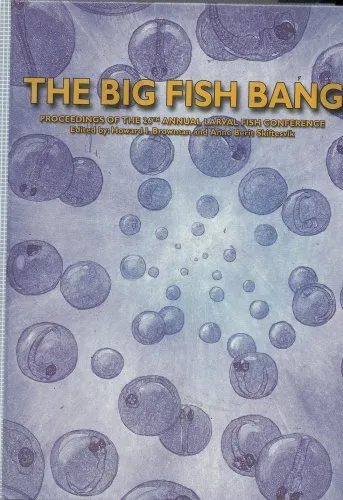
The Big Fish Bang (Proceedings of the 26th annual Larval Fish Conference)
Howard I. Browman,Anne Berit Skiftesvik
2003
View book
Book guide and evaluation
Michael Trainor
0 reviews
Published
pages
views
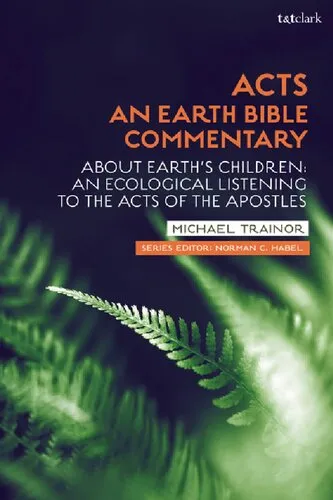
Introduction to Acts: About Earth’s Children: An Ecological Listening to the Acts of the Apostles Acts: About Earth’s Children offers a uniquely transformative exploration of the Acts of the Apostles through the lens of ecological sensitivity and environmental awareness. T
Before you read
Acts: About Earth’s Children offers a uniquely transformative exploration of the Acts of the Apostles through the lens of ecological sensitivity and environmental awareness. This book invites readers into a profound dialogue between the sacred text and the contemporary ecological crises that face our planet. At its heart, it calls for an integrated understanding of humanity’s spiritual relationship with Earth and its creatures, urging the Church, theological thinkers, and everyday stewards of creation to reconsider their place in the delicate web of life.
The book is not merely a theological commentary; it is an invitation to recognize the interconnectedness between human communities and the Earth itself as a partner in the ongoing story of salvation. By adopting an ‘ecological listening’ approach, I delve into the Acts of the Apostles to uncover how these ancient narratives resonate with modern environmental urgencies. With sensitivity and depth, this work encourages a shift from human-centered interpretations of Scripture to an Earth-centered perspective, offering fresh spiritual insights and practical guidance for ecological action.
Whether you are a theologian, environmental activist, or curious soul seeking harmony between spirituality and sustainability, this book aims to inspire reflection, transformation, and action.
Acts: About Earth’s Children examines the Acts of the Apostles in a groundbreaking way, acknowledging Earth as a character and stakeholder in the story of God's redemption. The book explores the symbiotic relationship between human communities, the natural world, and the divine narrative embedded in sacred Scripture.
The Acts of the Apostles narrates the emergence of the early Christian community, but this book argues that its teachings go beyond human-centered concerns. The narrative reveals an implicit ecological wisdom, characterized by themes such as harmony, mutual support, and shared resources. By listening attentively to the text, we discover how the voices of the Earth’s children—human and non-human alike—are interwoven into God’s story.
Through a series of thoughtful chapters, the book uncovers eco-theological insights within key passages of Acts, such as shared communal living, journeys through nature, and the Spirit’s dynamic presence in the Earthly realm. Each chapter reminds us of the urgent need to recognize that caring for Earth and its creatures is a sacred act, essential to living out the Christian mission in today’s world.
"The Acts of the Apostles is not just a story of human salvation—it is a living testimony to Earth's participation in God's vision for reconciliation and wholeness."
"To truly hear Scripture, we must open our hearts not only to human voices but also to the silent cries of the natural world."
"The wind of the Spirit moves through all creation, calling us to unity, justice, and care for the Earth."
Acts: About Earth’s Children addresses one of the most pressing issues of our time: the ecological crisis. As climate change, biodiversity loss, and environmental degradation threaten the future of the planet, the book challenges Christians and others of faith to reconsider their roles as stewards of creation.
By undertaking an ecological reading of the Acts of the Apostles, this work provides a fresh, relevant perspective on Scripture—one that bridges the gap between theology and action. It equips readers with the spiritual grounding and practical insights necessary to live as disciples who honor and protect God’s creation. Furthermore, it underscores the importance of community solidarity, resource sharing, and respect for all life forms as pathways to ecological justice.
This book matters because it calls for a shift in mindset, inspiring us to see ourselves not as owners of the Earth, but as her children—called to listen, care, and act. It highlights that care for the environment is not peripheral to Christian faith but central to it, making this an essential read for individuals and communities seeking to respond to the ecological challenges of our times.
Your question is answered in the context of this title and author. Each answer uses 2 points.
0 reviews, 4.0 average out of 5
Sign in to publish a review.
Ask a focused question and learn from the community.
Related references that continue this learning path.
Howard I. Browman,Anne Berit Skiftesvik