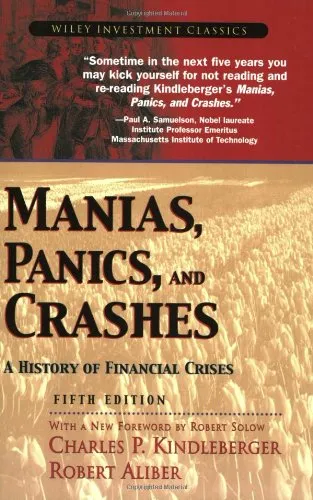
Manias, panics, and crashes: A history of financial crises
Charles P. Kindleberger,Robert Aliber,Robert Solow
2005
View book
Book guide and evaluation
John Kenneth Galbraith
0 reviews
Published
pages
views
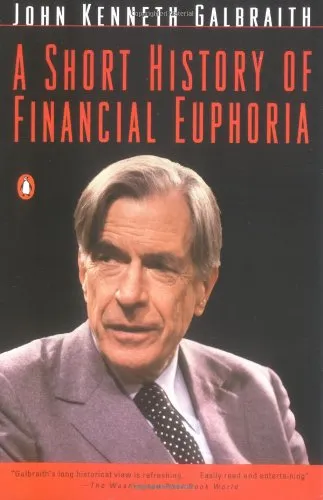
Welcome to an insightful exploration of human behavior in the financial world, as penned by John Kenneth Galbraith in his masterpiece, A Short History of Financial Euphoria (Whittle). This enduring work dissects the perennial cycles of boom and bust that characterize economic
Before you read
Welcome to an insightful exploration of human behavior in the financial world, as penned by John Kenneth Galbraith in his masterpiece, A Short History of Financial Euphoria (Whittle). This enduring work dissects the perennial cycles of boom and bust that characterize economic history through the ages, offering a compelling analysis of why these phenomena persist despite their predictable outcomes.
Galbraith's A Short History of Financial Euphoria (Whittle) provides a succinct yet potent examination of the common threads that run through historical episodes of financial extravagance. From the speculative mania of the Dutch tulip craze in the 17th century to the Wall Street crash of 1929, and the throes of modern bubbles, Galbraith eloquently illustrates how the same patterns of thought and irrational exuberance re-emerge time and again. The book explores the psychological underpinnings of speculative manias, highlighting the seductive allure of quick fortunes and the dismissal of reality that often precedes a financial disaster. Galbraith posits that these human tendencies are immutable, and what changes with each episode are the circumstances, the technologies, and sometimes the objects of speculation themselves.
"All financial innovation involves, in one form or another, the creation of debt secured in greater or lesser adequacy by real assets."
"The world of finance hails the invention of the wheel over and over again, often in a slightly more unstable version."
Galbraith's work is as significant today as when it first hit the shelves. A Short History of Financial Euphoria (Whittle) is an essential read for anyone looking to understand the psychological forces behind financial markets. It serves as a cautionary tale reminding investors and policymakers alike of the thin line between innovation and folly. As financial markets evolve, the book provides critical insights that remain relevant in the assessment of contemporary economic phenomena. By delving into this history, readers can gain foresight and wisdom, appreciating the complexities of financial systems rather than blindly placing faith in the deceptive allure of market forecasts and innovations.
Your question is answered in the context of this title and author. Each answer uses 2 points.
0 reviews, 4.5 average out of 5
Sign in to publish a review.
Ask a focused question and learn from the community.
Related references that continue this learning path.
Charles P. Kindleberger,Robert Aliber,Robert Solow