
Book guide and evaluation
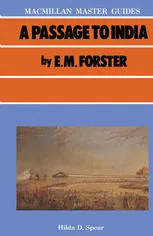
A Passage To India (Cliffs Notes)
Norma Ostrander
English
Intermediate
novel
3.8 / 5
0 reviews
1964
Published
59
pages
558
views
Introduction to 'A Passage to India (Cliffs Notes)' Welcome to an insightful exploration of E.M. Forster’s masterpiece, 'A Passage to India'. This guide presents an in-depth analysis of the novel’s themes, characters, and historical context, offering crucial analysis to enhanc
Before you read
What will you get from this book?
Introduction to 'A Passage to India (Cliffs Notes)'
Welcome to an insightful exploration of E.M. Forster’s masterpiece, 'A Passage to India'. This guide presents an in-depth analysis of the novel’s themes, characters, and historical context, offering crucial analysis to enhance your understanding of the book. 'A Passage to India' is not just a novel, but a cultural artifact that sheds light on the complexities of colonial India, and this guide aims to unravel its rich narrative layers with clarity and depth.
Detailed Summary of the Book
E.M. Forster's 'A Passage to India' is set against the backdrop of the British Raj and explores the tense racial dynamics between the ruling British and the native Indian population. The novel is divided into three parts: "Mosque", "Caves", and "Temple". In the first part, the narrative introduces Dr. Aziz, a young Indian physician whose interactions with British expatriates highlight cultural misunderstandings and prejudices. The second part revolves around a fateful trip to the Marabar Caves, which becomes the catalyst for a dramatic trial after an incident involving Adela Quested, a young British woman. The third part examines the aftermath of the trial, exploring themes of friendship, betrayal, and the possibility of reconciliation. Dr. Aziz and Cyril Fielding, an Englishman who befriends him, confront the barriers to true friendship between colonizer and colonized.
Key Takeaways
- The Impact of Colonialism: The novel provides a vivid portrayal of the tensions and injustices inherent in British colonial rule, illustrating how these dynamics affect personal relationships.
- Cultural Misunderstanding: 'A Passage to India' emphasizes the misunderstandings that arise from different cultural backgrounds and prejudices, complicating interactions between characters.
- Search for Identity and Belonging: Characters in the novel grapple with their identities in a changing world, searching for belonging in environments fraught with division.
- The Ambiguity of Truth: The novel questions the nature of truth, particularly through the ambiguous Marabar Caves incident, which leaves characters and readers pondering its reality.
Famous Quotes from the Book
E.M. Forster’s prose is rich with insights into human nature and society. Some notable quotes include:
- "Only connect! That was the whole of her sermon."
- "Adventures do occur, but not punctually."
- "Life never gives us what we want at the moment that we consider appropriate."
- "We must distrust the imagination and use only the facts."
Why This Book Matters
'A Passage to India' remains a seminal work for its incisive exploration of race, colonialism, and human connection. Published in 1924, the novel reflects the tensions of its era but continues to resonate today, highlighting universal themes of misunderstanding and the pursuit of friendship amidst cultural divides. It challenges readers to consider the barriers that separate us and the efforts needed to transcend them. The novel’s nuanced characters and moral dilemmas offer profound insights, making it a pivotal study for anyone interested in literature, history, and cultural studies. This guide aims to aid readers in navigating and appreciating the complexities that Forster so masterfully presents.
Ask this book
Your question is answered in the context of this title and author. Each answer uses 2 points.
Sign in to ask the book assistant.
Reader reviews
0 reviews, 3.8 average out of 5
No reviews yet
If you have read this book, help the next reader with your experience.
Write a review
Sign in to publish a review.
Reader questions and answers
Ask a focused question and learn from the community.
Sign in to ask or answer a question.
No questions yet
Be the first to ask a clear, useful question.
What to read next
Related references that continue this learning path.