Book guide and evaluation
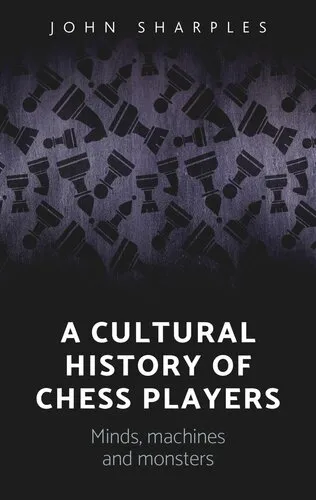
A cultural history of chess-players: Minds, machines, and monsters
John Sharples
English
Intermediate
Artificial Intelligence (AI)
3.7 / 5
0 reviews
2017
Published
236
pages
648
views
Introduction Welcome to "A Cultural History of Chess-Players: Minds, Machines, and Monsters," a journey through the fascinating world of chess, where the ancient game's impact on culture is explored through three profound lenses: the intellectual minds that play it, the ma
Before you read
What will you get from this book?
Introduction
Welcome to "A Cultural History of Chess-Players: Minds, Machines, and Monsters," a journey through the fascinating world of chess, where the ancient game's impact on culture is explored through three profound lenses: the intellectual minds that play it, the machines that have learned it, and the monstrous entities that it sometimes becomes.
Summary of the Book
Chess is more than just a game; it is an enduring cultural phenomenon that reflects the complexities of human thought, the evolution of technology, and the potent symbolism residing within its 64 squares. This book delves into the rich history and cultural significance of chess players, from the grandmasters and prodigies who have transformed the game into an intellectual art form, to the rise of computers and artificial intelligence that have redefined strategic paradigms.
Each chapter unfolds the historical evolution of chess, tracing its origins from ancient India to its prominence in medieval Europe, and its status as a global sport today. We explore iconic figures such as Garry Kasparov, Bobby Fischer, and contemporary wunderkinds whose stories embody the drama and genius of competitive chess. In parallel, the book investigates technological milestones from Deep Blue's historic victory over Kasparov to the advent of neural networks like AlphaZero, offering insights into how machines have changed our understanding of both chess and human intelligence.
Key Takeaways
- The intertwining of chess with culture, politics, and history, illustrating its role as a mirror of human society.
- An examination of artificial intelligence's impact on human strategy and cognition, as seen through the lens of chess.
- Insights into the psychological profiles and life stories of chess grandmasters, their triumphs, and their challenges.
- The conceptualization of chess as both an intellectual pursuit and a competitive, sometimes brutal, psychological battleground.
Famous Quotes from the Book
"Chess is the gymnasium of the mind, an arena where human intellect battles against both human and machine." - John Sharples
"The board is not just a battlefield between two armies, but a canvas for the mind's wildest artistry." - John Sharples
Why This Book Matters
In a rapidly changing world where artificial intelligence is reshaping industries and societies, understanding chess's role in this transformation is crucial. This book offers readers not only a history lesson but a lens through which to view broader questions about intelligence and creativity, human versus machine, and the potential futures that lie ahead.
For chess enthusiasts, historians, and anyone interested in the interplay between culture and technology, "A Cultural History of Chess-Players: Minds, Machines, and Monsters" provides a comprehensive and engaging exploration of how a seemingly simple board game continues to challenge and inspire us, even in the age of advanced technology.
Audio introductions
Persian Summary
Ask this book
Your question is answered in the context of this title and author. Each answer uses 2 points.
Sign in to ask the book assistant.
Reader reviews
0 reviews, 3.7 average out of 5
No reviews yet
If you have read this book, help the next reader with your experience.
Write a review
Sign in to publish a review.
Reader questions and answers
Ask a focused question and learn from the community.
Sign in to ask or answer a question.
No questions yet
Be the first to ask a clear, useful question.
What to read next
Related references that continue this learning path.
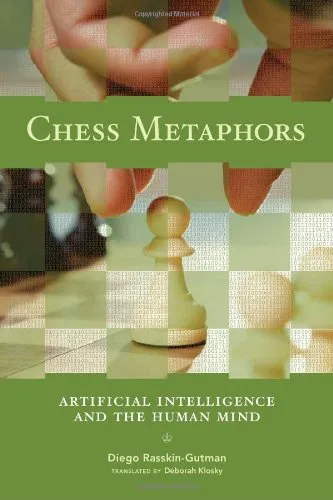
Chess Metaphors: Artificial Intelligence and the Human Mind
Diego Rasskin-Gutman,Deborah Klosky (transl.)
2009
View book