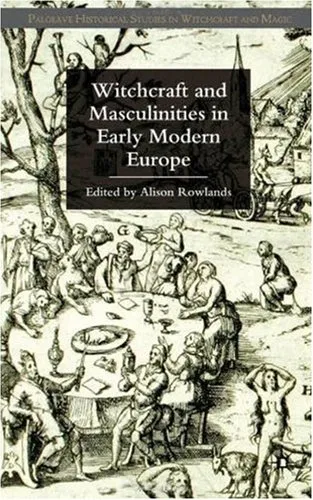
Witchcraft and Masculinities in Early Modern Europe (Palgrave Historical Studies in Witchcraft and Magic)
4.5
بر اساس نظر کاربران
شما میتونید سوالاتتون در باره کتاب رو از هوش مصنوعیش بعد از ورود بپرسید
Each download or book AI question costs 2 points. Purchase more pointsکتاب های مرتبط:
خلاصه تحلیلی کتاب
کتاب Witchcraft and Masculinities in Early Modern Europe به بررسی ابعادی کمتر شناختهشده از تاریخ جادوگری میپردازد؛ یعنی جایگاه و نقش مردان و مفهوم مردانگی در روند اتهامات، محاکمات و فرهنگ مرتبط با جادوگری در اروپا. اغلب پژوهشها در این حوزه بر زنان متمرکز بودهاند، اما این اثر با نگاهی نو، روایت تاریخی را بازنگری میکند.
این اثر که در مجموعه معتبر Palgrave Historical Studies in Witchcraft and Magic منتشر شده، مبتنی بر تحلیل موردی و بررسی اسناد تاریخی است. نویسنده با رویکردی میانرشتهای، از تاریخ اجتماعی، مردمنگاری و مطالعات جنسیت بهره میگیرد تا نشان دهد که مردان نیز در بستر جادوگری، قربانی یا عامل بودهاند و مردانگی چگونه در تعریف و تشخیص «جادوگر» نقش ایفا کرده است.
اطلاعات نامشخص درباره تاریخ دقیق انتشار به دلیل نبود منبع معتبر در دسترس ذکر نشده است. با این حال، اعتبار علمی ناشر و جایگاه این اثر در ادبیات پژوهشی بینالمللی، آن را به مرجعی ارزشمند تبدیل کرده است.
نکات کلیدی و کاربردی
یکی از نکات برجسته کتاب، نشان دادن تنوع تجربههای مردان در پروندههای جادوگری است؛ از کشاورزان و صنعتگران گرفته تا روحانیون و مقامات محلی که با اتهامات جادوگری روبهرو بودهاند.
کتاب همچنین به ارتباط میان مردانگی و ساختارهای قدرت در جامعه میپردازد؛ این که چگونه ارزشهای مسلط فرهنگی و مذهبی، تعابیر خاصی از «رفتار جادویی» را شکل دادهاند.
یکی دیگر از جنبههای مهم، نقد نگاه تکبعدی به تاریخ جادوگری است. اثر حاضر با آوردن شواهد تاریخی، نشان میدهد که نقش مردان نباید در حاشیه مطالعات جادوگری باقی بماند.
نقلقولهای ماندگار
برخی از بخشهای کتاب حاوی جملات الهامبخشی هستند که عمق نگاه نویسنده را نشان میدهند و ارزش تأمل دارند.
«بررسی مردانگی در جادوگری، نه تنها دید ما را به گذشته روشن میکند، بلکه فهم امروزمان از هویت و قدرت را نیز دگرگون میسازد.» نامشخص
«جادوگری، عرصهای است که در آن، روایتهای جنسیتی به چالش کشیده میشوند و مرزهای سنتی جابجا میگردند.» نامشخص
چرا این کتاب اهمیت دارد
این کتاب بخشی از تاریخ را بازگو میکند که کمتر دیده شده است؛ نقش مردان در جادوگری. این بازخوانی تاریخی برای پژوهشگران تاریخ اجتماعی، مطالعات جنسیت و حتی علوم سیاسی اهمیت دارد، زیرا رابطه میان قدرت، هویت و فرهنگ را در بستر خاصی آشکار میسازد.
با تمرکز بر مردانگی، کتاب امکان مقایسه و تحلیل تطبیقی با جوامع دیگر را فراهم میکند. پژوهشگران میتوانند بر اساس یافتههای این اثر، نظریههای جامعتری در زمینه تعامل میان هویت جنسیتی و ساختارهای حقوقی و اجتماعی ارائه دهند.
نتیجهگیری الهامبخش
کتاب Witchcraft and Masculinities in Early Modern Europe ما را دعوت میکند تا از زاویهای نو به تاریخ جادوگری بنگریم؛ زاویهای که جایگاه مردان و مفهوم مردانگی را با همان جدیت و عمق زنان مورد پژوهش قرار میدهد.
در این مسیر، نه تنها به فهم بهتر گذشته دست مییابیم، بلکه پایهای برای گفتگوهای بینرشتهای در زمان حال میسازیم. اگر به تاریخ اجتماعی، فرهنگ و مطالعات جنسیت علاقهمندید، توصیه میشود این اثر را مطالعه کنید و دیدگاههای آن را با دیگران به اشتراک بگذارید.
Introduction to "Witchcraft and Masculinities in Early Modern Europe"
"Witchcraft and Masculinities in Early Modern Europe" is a groundbreaking book that delves into a largely underexplored aspect of witchcraft history: the intersection of witchcraft and concepts of masculinity in the early modern period. Traditionally, witchcraft studies have focused extensively on women as the primary targets of witch trials; however, this book shifts the narrative by emphasizing the roles, vulnerabilities, and responses of men in this historical context. Through a series of meticulously researched case studies and thematic explorations, the work challenges preconceived notions about gender roles and offers a more nuanced understanding of witchcraft accusations and trials as gendered phenomena in early modern Europe.
This book is part of the esteemed Palgrave Historical Studies in Witchcraft and Magic series, which has produced numerous authoritative works on witchcraft, magic, and related phenomena. By focusing on the intricate ways in which men were implicated in witchcraft beliefs and practices, Witchcraft and Masculinities in Early Modern Europe opens up new avenues for understanding societal anxieties, gender expectations, and the fluidity of identities during a period marked by profound cultural, political, and religious upheaval.
Detailed Summary of the Book
The book analyzes the role of masculinity in the persecution and depiction of witches between the 15th and 18th centuries. At its core, it addresses the following key themes:
- The marginalization of men accused of witchcraft and the social dynamics that made their participation in witch trials unusual yet significant.
- How ideas of masculinity influenced who was accused of, and believed to practice, witchcraft, as well as the authorities who prosecuted them.
- The interactions between gendered expectations of men as protectors, heads of households, and religious agents, and how these roles either shielded or implicated them in accusations of witchcraft.
- The subtle ways in which fears about male witches reflected broader cultural concerns about male power, transgression, and honor.
Through case studies from Germany, England, Scandinavia, and various other regions, the book reveals that men were not immune to the witchcraft accusations that plagued society. Men could be both victims and accusers in complex ways, depending upon their social roles, community reputations, and conformity—or failure to conform—to accepted standards of masculinity. Moreover, male involvement in witchcraft accusations often mirrored larger anxieties about masculinity during this period, including fears of failure to assert dominance, to protect society, or to adhere to moral and religious ideals.
Key Takeaways
Readers of "Witchcraft and Masculinities in Early Modern Europe" will gain the following insights:
- A deeper understanding of how witchcraft was not solely a "woman's crime" but one entangled with broader anxieties surrounding gender roles and hegemonic masculinity.
- Insight into the behaviors, actions, and reputations that rendered specific men vulnerable to accusations of witchcraft.
- The realization of how patriarchal systems worked not just to marginalize women but also to police men's behavior and reinforce societal norms.
- An appreciation for the diversity of experiences across different regions in Europe and the corresponding legal, cultural, and religious frameworks that shaped witchcraft trials.
This book not only extends our understanding of witchcraft but also confronts traditional gender narratives and the very foundations of early modern society and authority.
Famous Quotes from the Book
"The fear of witchcraft was never just about 'the other'—it was a fear of what masculinity or femininity could become when it strayed too far from the boundaries society imposed upon them."
"Masculinity, like femininity, was a fragile construct, constantly negotiated and tested, and the witch trials reveal the ways in which men were held to account for such negotiations."
"To understand why men were accused of witchcraft, we must look not only at who these men were but also at what they represented—social disruption, failed patriarchs, or deviance from the ideal."
Why This Book Matters
"Witchcraft and Masculinities in Early Modern Europe" addresses a critical gap in the study of witchcraft by bringing masculinity into the conversation. Historically, much scholarship has concentrated on female victims of witch trials, perpetuating the notion of witch-hunting as primarily targeting women. This book, however, broadens the scope of inquiry to examine how gendered expectations for men, as well as their intersections with religion, power, and social order, shaped the phenomenon.
This work resonates beyond academia, offering insights relevant to contemporary discussions on gender, power, and societal norms. It is an essential addition to the literature on witchcraft and gender studies, providing a more holistic view of one of history's most infamous phenomena. By challenging monolithic interpretations of witchcraft as "women's history" and shining a light on the role of men, "Witchcraft and Masculinities in Early Modern Europe" encourages us to rethink historical narratives and critically analyze how power operates—both then and now.
Book download
شما میتونید سوالاتتون در باره کتاب رو از هوش مصنوعیش بعد از ورود بپرسید
دسترسی به کتابها از طریق پلتفرمهای قانونی و کتابخانههای عمومی نه تنها از حقوق نویسندگان و ناشران حمایت میکند، بلکه به پایداری فرهنگ کتابخوانی نیز کمک میرساند. پیش از دانلود، لحظهای به بررسی این گزینهها فکر کنید.
این کتاب رو در پلتفرم های دیگه ببینید
WorldCat به شما کمک میکنه تا کتاب ها رو در کتابخانه های سراسر دنیا پیدا کنید
امتیازها، نظرات تخصصی و صحبت ها درباره کتاب را در Goodreads ببینید
کتابهای کمیاب یا دست دوم را در AbeBooks پیدا کنید و بخرید
1398
بازدید4.5
امتیاز0
نظر98%
رضایتنظرات:
4.5
بر اساس 0 نظر کاربران
Questions & Answers
Ask questions about this book or help others by answering
No questions yet. Be the first to ask!