
معرفی و ارزیابی کتاب
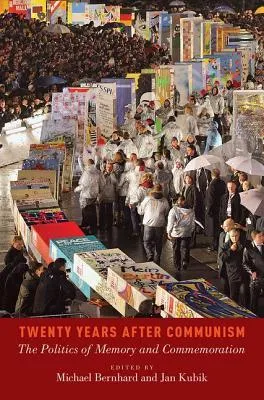
Twenty Years After Communism: The Politics of Memory and Commemoration
Michael Bernhard;Jan Kubik
English
Intermediate
رمان
4.4 / 5
0 نظر
2014
سال انتشار
385
صفحه
319
بازدید
While the fall of the Berlin Wall is positively commemorated in the West, the intervening years have shown that the former Soviet Bloc has a more complicated view of its legacy. In post-communist Eastern Europe, the way people remember state socialism is closely intertwined with
پیش از خواندن
این کتاب چه چیزی به شما میدهد؟
While the fall of the Berlin Wall is positively commemorated in the West, the intervening years have shown that the former Soviet Bloc has a more complicated view of its legacy. In post-communist Eastern Europe, the way people remember state socialism is closely intertwined with the manner in which they envision historical justice.Twenty Years After Communismis concerned with the explosion of a politics of memory triggered by the fall of state socialism in Eastern Europe, and it takes a comparative look at the ways that communism and its demise have been commemorated (or not commemorated) by major political actors across the region.The book is built on three premises. The first is that political actors always strive to come to terms with the history of their communities in order to generate a sense of order in their personal and collective lives. Second, new leaders sometimes find it advantageous to mete out justice on the politicians of abolished regimes, and whether and how they do so depends heavily on their interpretation and assessment of the collective past. Finally, remembering the past, particularly collectively, is always a political process, thus the politics of memory and commemoration needs to be studied as an integral part of the establishment of new collective identities and new principles of political legitimacy. Each chapter takes a detailed look at the commemorative ceremony of a different country of the former Soviet Bloc. Collectively the book looks at patterns of extrication from state socialism, patterns of ethnic and class conflict, the strategies of communist successor parties, and the cultural traditions of a given country that influence the way official collective memory is constructed.Twenty Years After Communismdevelops a new analytical and explanatory framework that helps readers to understand the utility of historical memory as an important and understudied part of democratization.
از این کتاب بپرس
پرسشت با عنوان و نویسنده همین کتاب برای دستیار ارسال میشود. هر پاسخ ۲ امتیاز مصرف میکند.
وارد شوید تا بتوانید از دستیار کتاب بپرسید.
نظر خوانندگان
0 نظر، میانگین 4.4 از ۵
هنوز نظری ثبت نشده
اگر این کتاب را خواندهاید، تجربهتان را با دیگران به اشتراک بگذارید.
نظر خودت را بنویس
وارد شوید تا نظر خود را ثبت کنید.
پرسش و پاسخ خوانندگان
سؤال مشخص بپرس و از تجربه جامعه استفاده کن.
وارد شوید تا سؤال بپرسید یا پاسخ بدهید.
هنوز پرسشی ثبت نشده
اولین سؤال روشن و مفید را شما مطرح کنید.
بعد از این چه بخوانم؟
منابع مرتبط برای ادامه همین مسیر.
The Three Musketeers
Alexandre Dumas,pere,Richard Pevear (Translator,Introduction)
2006
مشاهدهٔ کتاب

Crossing the Line: Violence, Play, and Drama in Naval Equator Traditions
Simon J. Bronner
2007
مشاهدهٔ کتاب