معرفی و ارزیابی کتاب
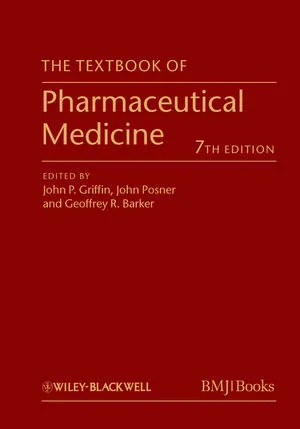
The Textbook of Pharmaceutical Medicine, 7th Edition
English
Beginner
داروسازی
4.9 / 5
0 نظر
2013
سال انتشار
847
صفحه
573
بازدید
The Textbook of Pharmaceutical Medicine is the standard reference for everyone working and learning in pharmaceutical medicine. It is a comprehensive resource covering the processes and practices by which medicines are developed, tested and approved, and the recognised text for t
پیش از خواندن
این کتاب چه چیزی به شما میدهد؟
The Textbook of Pharmaceutical Medicine is the standard reference for everyone working and learning in pharmaceutical medicine. It is a comprehensive resource covering the processes and practices by which medicines are developed, tested and approved, and the recognised text for the Diploma in Pharmaceutical Medicine from the Faculty of Pharmaceutical Medicine.This fully revised Seventh Edition, which includes two new Editors, encompasses current developments within pharmaceutical medicine with new chapters on biological therapeutics, pharmacovigilance, vaccines, drugs for cancer, drug development in paediatrics and neonatalogy, the clinical trials directive, life cycle management of medicines, counterfeit medicines and medical marketing. Also included for easy reference, and referred to throughout the text, are the Declaration of Helsinki, Guidelines and Documentation for Implementation of Clinical Trials, relevant European Directives and the Syllabus for Pharmaceutical Medicine.Written by an international team of leading academics, medical directors and lawyers, The Textbook of Pharmaceutical Medicine, Seventh Edition meets the needs of both those working in pharmaceutical medicine and preparing for the Diploma in Pharmaceutical Medicine.The text breaks down into three core sections:Part I: Research and DevelopmentPart II: RegulationPart III: Healthcare marketplaceView Table of Contents in detailContent: Chapter 1 Discovery of New Medicines (pages 1–31): Yves J. RibeillChapter 2 Pharmaceutical Development (pages 32–41): Michael Gamlen and Paul CummingsChapter 3 Preclinical Safety Testing (pages 42–81): Lutz Muller and Elisabeth HusarChapter 4 Exploratory Development (pages 82–112): John PosnerChapter 5 Clinical Pharmacokinetics (pages 113–131): Paul Rolan and Valeria MolnarChapter 6 Biological Therapeutics (pages 132–142): Peter Lloyd and Jennifer SimsChapter 7 Objectives and Design of Clinical Trials (pages 143–154): John Posner and Steve WarringtonChapter 8 Conduct of Clinical Trials: Good Clinical Practice (pages 155–188): Kate L. R. DarwinChapter 9 Medical Statistics (pages 189–218): Andrew P. GrieveChapter 10 Development of Medicines: Full Development (pages 219–234): Peter D. StonierChapter 11 Pharmacovigilance (pages 235–253): Stephen F. Hobbiger, Bina Patel and Elizabeth SwainChapter 12 Vaccines (pages 254–269): John BeadleChapter 13 Drugs for Cancer (pages 270–285): James Spicer and Johann De BonoChapter 14 Ethics of Human Experimentation (pages 286–294): Jane BarrettChapter 15 Drug Development in Paediatrics and Neonatology (pages 295–305): Nazakat M. Merchant and Denis V. AzzopardiChapter 16 Due Diligence and the Role of the Pharmaceutical Physician (pages 306–315): Geoffrey R. BarkerChapter 17 A History of Drug Regulation in the UK (pages 317–346): John P. GriffinChapter 18 The Clinical Trials Directive (pages 347–359): Fergus Sweeney and Agnes Saint RaymondChapter 19 Human Medicinal Products in the European Union: Regulations, Directives and Structures (pages 360–378): Agnes Saint Raymond and Anthony J. HumphreysChapter 20 Human Medicinal Products in the European Union: Procedures (pages 379–417): Agnes Saint Raymond and Anthony J. HumphreysChapter 21 European Regulation of Medical Devices (pages 418–434): Shuna MasonChapter 22 Paediatric Regulation (pages 435–446): Heike Rabe and Agnes Saint?RaymondChapter 23 Technical Requirements for Registration of Pharmaceuticals for Human Use: The ICH Process (pages 447–460): Dean W. G. HarronChapter 24 The Regulation of Drug Products by the US Food and Drug Administration (pages 461–500): Peter Barton HuttChapter 25 The US FDA in the Drug Development, Evaluation and Approval Process (pages 501–517): Richard N. Spivey, Judith K. Jones, William Wardell and William W. VodraChapter 26 Future Prospects of the Pharmaceutical Industry and its Regulation in the USA (pages 518–536): Richard N. Spivey, William W. Vodra, Judith K. Jones and William WardellChapter 27 Regulatory and Clinical Trial Systems in Japan (pages 537–553): Mamiko Satake and Natsuko HosodaChapter 28 The Regulation of Therapeutic Products in Australia (pages 554–586): Elizabeth de Somer, Deborah Monk and Janice HirshornChapter 29 An Introduction to Life Cycle Management of Medicines (pages 587–596): David GillenChapter 30 Availability of Medicines Online and Counterfeit Medicines (pages 597–609): Ruth Diazaraque and David GillenChapter 31 The Supply of Unlicensed Medicines for Individual Patient Use (pages 610–631): Ian Dodds?Smith and Ewan TownsendChapter 32 Legal and Ethical Issues Relating to Medicinal Products (pages 632–652): Nick Beckett, Sarah Hanson and Shuna MasonChapter 33 Medical Marketing (pages 653–669): David B. Galloway and Bensita M. V. ThottakamChapter 34 Information and Promotion (pages 670–691): Charles De WetChapter 35 Economics of Health Care (pages 692–706): Carole A. Bradley and Jane R. GriffinChapter 36 Controls on NHS Medicines Prescribing and Expenditure in the UK (a Historical Perspective) with some International Comparisons (pages 707–727): John P. Griffin and Geoffrey R. BarkerChapter 37 Pharmaceutical Medicine in the Emerging Markets (pages 728–743): Nadarajah Sreeharan, Jennie A. Sykes and Richard B. NiemanChapter 38 Biosimilars (pages 744–750): Raymond A. Huml and John Posner
از این کتاب بپرس
پرسشت با عنوان و نویسنده همین کتاب برای دستیار ارسال میشود. هر پاسخ ۲ امتیاز مصرف میکند.
وارد شوید تا بتوانید از دستیار کتاب بپرسید.
نظر خوانندگان
0 نظر، میانگین 4.9 از ۵
هنوز نظری ثبت نشده
اگر این کتاب را خواندهاید، تجربهتان را با دیگران به اشتراک بگذارید.
نظر خودت را بنویس
وارد شوید تا نظر خود را ثبت کنید.
پرسش و پاسخ خوانندگان
سؤال مشخص بپرس و از تجربه جامعه استفاده کن.
وارد شوید تا سؤال بپرسید یا پاسخ بدهید.
هنوز پرسشی ثبت نشده
اولین سؤال روشن و مفید را شما مطرح کنید.
بعد از این چه بخوانم؟
منابع مرتبط برای ادامه همین مسیر.
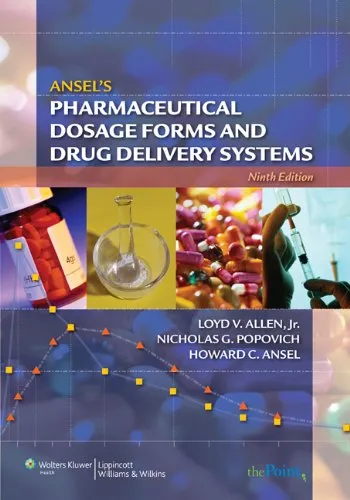
Ansel's Pharmaceutical Dosage Forms and Drug Delivery Systems, 9th Edition
Loyd V. Allen,Nicholas G. Popovich,Howard C. Ansel
2010
مشاهدهٔ کتاب