معرفی و ارزیابی کتاب
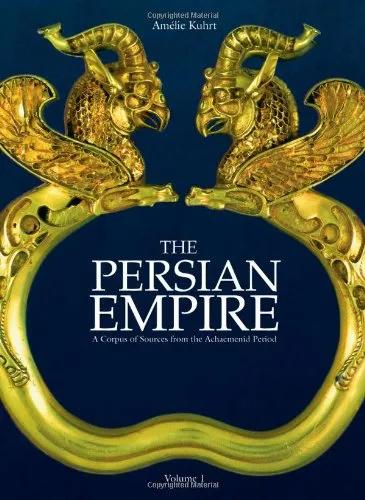
The Persian Empire: A Corpus of Sources from the Achaemenid Period Vol.1
Amelie Kuhrt
English
Intermediate
تاریخ
4.8 / 5
0 نظر
2007
سال انتشار
499
صفحه
548
بازدید
This lavish set of books contains the most complete collection of raw material for reconstructing the history of the Achaemenid Persian Empire to date. Studying Achaemenid history has been difficult in the past because original sources include texts from hugely disparate origins
پیش از خواندن
این کتاب چه چیزی به شما میدهد؟
This lavish set of books contains the most complete collection of raw material for reconstructing the history of the Achaemenid Persian Empire to date. Studying Achaemenid history has been difficult in the past because original sources include texts from hugely disparate origins, many different languages and various periods in history; the risk is to rely too heavily on biased and often inaccurate Greek and Roman sources. Amelie Kuhrt presents here an unprecedented collection of key texts to form a balanced representation of all aspects of the Empire, in translations from their original Greek, Old Persian, Akkadian, Hebrew, Aramaic, Egyptian or Latin. Kuhrt selects from classical writers, the Old Testament, royal inscriptions, administrative documents and Babylonian historical writing, as well as the evidence of monuments, artefacts and archaeological sites. All material is accompanied by a detailed introduction to the sources and guidelines to their interpretation. A truly monumental achievement, this collection will prove to be a major resource for any student of Persian history, from undergraduate level to the advanced scholar.
از این کتاب بپرس
پرسشت با عنوان و نویسنده همین کتاب برای دستیار ارسال میشود. هر پاسخ ۲ امتیاز مصرف میکند.
وارد شوید تا بتوانید از دستیار کتاب بپرسید.
پرسشهای قبلی شما
speak me also persan empire
The Persian Empire, as discussed in my book *The Persian Empire: A Corpus of Sources from the Achaemenid Period Vol. 1*, refers primarily to the vast realm ruled by the Achaemenid dynasty between the mid-6th century BCE and the conquest by Alexander the Great in the late 4th century BCE.
It began with Cyrus II (Cyrus the Great), who overthrew the Median kingdom around 550 BCE and went on to conquer Lydia and Babylon, establishing an empire that stretched from the Aegean Sea in the west to the borders of India in the east. His successors—Cambyses II, Darius I, Xerxes I, and others—continued to expand and consolidate the realm.
The empire was notable for its administrative innovations:
- Division into satrapies (provinces), each overseen by a satrap.
- Use of Aramaic as an official language for imperial administration.
- Policies of respecting local customs and religions, which helped maintain stability across a culturally diverse region.
Sources that inform us about the Persian Empire include royal inscriptions (like those of Darius I at Behistun), administrative texts from Persepolis, Greek historical writings, and later Babylonian chronicles. These allow us to reconstruct both imperial ideology and its practical workings.
Would you like me to give you details of Cyrus the Great’s rise according to these sources?
نظر خوانندگان
0 نظر، میانگین 4.8 از ۵
هنوز نظری ثبت نشده
اگر این کتاب را خواندهاید، تجربهتان را با دیگران به اشتراک بگذارید.
نظر خودت را بنویس
وارد شوید تا نظر خود را ثبت کنید.
پرسش و پاسخ خوانندگان
سؤال مشخص بپرس و از تجربه جامعه استفاده کن.
وارد شوید تا سؤال بپرسید یا پاسخ بدهید.
هنوز پرسشی ثبت نشده
اولین سؤال روشن و مفید را شما مطرح کنید.
بعد از این چه بخوانم؟
منابع مرتبط برای ادامه همین مسیر.