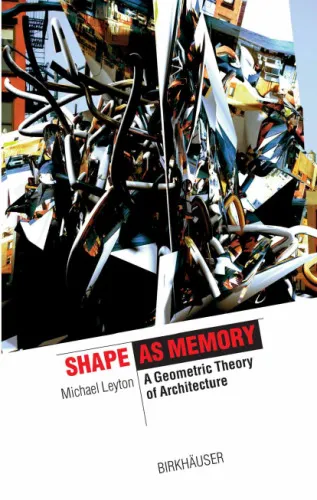
کتاب ناموجود
متأسفانه این کتاب در حال حاضر برای چاپ و فروش موجود نیست.
شما میتوانید از نسخه PDF این کتاب استفاده کنید.
- سال انتشار: 2002
- صفحات: 93
- اندازه فایل: 3 MB
- زبان: English
- انتشارات: Birkhäuser Architecture
- تعداد مشاهده: 34
- امتیاز کاربران: 4.5
- شابک/ISBN: 9783764376901; 3764376902
کلمات کلیدی:

Generate PowerPoint Files with LLM
⚡️SlideGenie is an intelligent educational slide generator (Open Source Repository) that leverages the power of OpenAI API to create engaging presentations and converts Mermaid diagrams into visual assets.
Features:
- AI-powered slide content generation
- Automatic Mermaid diagram to image conversion
- Customizable slide templates
- Multi-language support
- Educational content optimization
The Information Technology Revolution in Architecture
4.5
بر اساس نظر کاربران

شما میتونید سوالاتتون در باره کتاب رو از هوش مصنوعیش بعد از ورود بپرسید
هر دانلود یا پرسش از هوش مصنوعی 2 امتیاز لازم دارد، برای بدست آوردن امتیاز رایگان، به صفحه ی راهنمای امتیازات سر بزنید و یک سری کار ارزشمند انجام بدین


خلاصه تحلیلی کتاب
کتاب The Information Technology Revolution in Architecture اثر مایکل لیتون، روایتی تحلیلی از جایگاه فناوری اطلاعات در عرصه طراحی و ساختار معماری ارائه میکند. این اثر با رویکردی پژوهشی و سیستماتیک، نقش سیستمهای دیجیتال، نرمافزارهای طراحی، مدلسازی سهبعدی و شبیهسازی را در تغییر نگرش معماران و شکلدهی پروژهها بررسی میکند.
تمرکز اصلی کتاب بر این است که چگونه ابزارهای Information Technology نه تنها روشهای طراحی را دگرگون کردهاند، بلکه اصول زیباییشناسی و فرآیندهای برنامهریزی را نیز تحت تأثیر مستقیم قرار دادهاند. نویسنده با استفاده از مثالهای واقعی و ارجاع به پروژههای جهانی، نشان میدهد که معماری دیجیتال تنها یک ابزار نیست، بلکه زمینهساز یک تحول فرهنگی و حرفهای محسوب میشود.
اطلاعات مربوط به سال انتشار این کتاب، اطلاعات نامشخص است زیرا منبع معتبر در دسترس نیست؛ با این حال محتوای کتاب همچنان تازه و مرتبط با چالشهای روز دنیای معماری دیجیتال است.
نکات کلیدی و کاربردی
این کتاب نهتنها برای معماران بلکه برای پژوهشگران حوزه فناوری، طراحان شهری، و دانشجویان رشتههای مرتبط قابلاستفاده است. از جمله نکات کلیدی آن میتوان به تحلیل ارتباط میان زیرساختهای IT و فرآیند خلاقیت، بازتعریف نقش معمار در عصر دیجیتال، و چگونگی استفاده از دادهها برای تصمیمگیریهای طراحی اشاره کرد.
مایکل لیتون در بخشهای مختلف کتاب به این موضوع میپردازد که چگونه هوش مصنوعی، الگوریتمها، و شبکههای ارتباطی میتوانند کیفیت زندگی شهری را بهینه کنند و ارتباطات میان طراحی و عملکرد را مستحکم سازند.
نقلقولهای ماندگار
در طول کتاب، نویسنده جملاتی را بیان کرده که بهخوبی عصاره دیدگاه او را منتقل میکنند. این نقلقولها بیانگر نگاه آیندهمحور به معماری و فناوری هستند.
فناوری اطلاعات نه یک ابزار، بلکه یک زبان جدید برای معماری است.
نامشخص
هر خط در یک مدل دیجیتال، حامل تصمیمی خلاقانه است که آینده فضا را شکل میدهد.
نامشخص
چرا این کتاب اهمیت دارد
در جهانی که سرعت تغییرات فناورانه روزبهروز افزایش مییابد، معماران و طراحان باید توانایی انطباق با محیط دیجیتال را داشته باشند. کتاب The Information Technology Revolution in Architecture با ارائه چارچوبهای نظری و تحلیلهای عمیق، به مخاطب کمک میکند تا قدرت تحول IT بر فرآیندهای طراحی را درک کند.
اهمیت این کتاب در آن است که پل ارتباطی میان نظریهپردازیهای آکادمیک و نیازهای عملی پروژههای معماری امروز ایجاد میکند. این اثر نه صرفاً یک کتاب نظری، بلکه راهنمایی برای عمل است؛ راهنمایی که از زبان پژوهشگر و نویسندهای با تجربه در حوزه فناوری اطلاعات و معماری ارائه شده است.
نتیجهگیری الهامبخش
کتاب The Information Technology Revolution in Architecture فرصتی استثنایی برای فهم عمیق تأثیر فناوری اطلاعات بر جهان طراحی و ساخت. خواندن این کتاب برای هر کسی که به آینده معماری و نقش IT در آن علاقه دارد، یک ضرورت است. اگر به دنبال الهام گرفتن از ایدههای نو و آمادهسازی خود برای چالشهای عصر دیجیتال هستید، این اثر را مطالعه کنید و آن را با همکاران و دوستان خود به اشتراک بگذارید.
با ترکیب دانش فناوری و هنر معماری، که در این کتاب بهطور کامل تحلیل شده است، مسیر نوینی برای خلق فضاهای هوشمند و کارآمد گشوده خواهد شد. این دعوت برای مطالعه و بهکارگیری ایدههای کتاب، نهتنها به رشد فردی، بلکه به پیشرفت جمعی در حوزه معماری کمک خواهد کرد.
Analytical Summary
The Information Technology Revolution in Architecture is a critical exploration of how the digital era has transformed architectural practice, theory, and education. Authored with a deep understanding of disciplinary history and technological evolution, it charts a journey from early computer-aided drafting to the sophisticated computational design environments we know today.
Underlying this work is the recognition that architecture, as both a creative and technical discipline, has always responded to the technological context of its time. Where once mechanical tools and industrial processes shaped the architect’s workflow, today’s designers navigate a landscape defined by algorithms, big data, and immersive virtual environments.
This book extends beyond a mere catalog of technological tools; it interrogates the cultural, philosophical, and methodological implications of integrating information technologies into architectural workflows. Readers will encounter an incisive study that bridges academic research and professional application, making it relevant to educators, practitioners, and policy thinkers alike.
Key Takeaways
Readers will emerge from The Information Technology Revolution in Architecture with a multi-layered understanding of technology’s role in reshaping not only individual projects but the very processes of conceiving, developing, and delivering architecture.
One major insight lies in recognizing the shift from representation to simulation—designers now work within environments that simulate structural, environmental, and experiential dimensions long before any material is committed to construction.
Another takeaway concerns the democratization of design tools. Where previously specialized skills and expensive hardware acted as barriers, there is now increasing accessibility through cloud-based platforms, open-source software, and collaborative online networks.
The book stresses that the integration of digital processes requires a corresponding evolution in professional ethics and responsibility, especially in light of data privacy, environmental impact, and the cultural implications of technological homogenization.
Memorable Quotes
“To design in the digital era is to choreograph a dialogue between human intuition and machine intelligence.” Unknown
“Information technology does not replace the architect; it redefines what being an architect means.” Unknown
“Every byte of data carries with it a material consequence in the built environment.” Unknown
Why This Book Matters
In a period when architectural education, practice, and research face rapid transformation, The Information Technology Revolution in Architecture offers a critical compass. It enables readers to not only keep up with the accelerating pace of innovation but to question, direct, and meaningfully contribute to it.
The text situates computational design strategies within a larger socio-technical context, connecting the digital turn to global economic shifts, environmental imperatives, and cultural change. This makes it invaluable for policymakers, industry leaders, and academics eager to understand the reciprocal relationship between technology and the built world.
By presenting both the promises and the pitfalls of technological integration, the book fosters balanced discourse—essential in a time when the allure of digital efficiency can sometimes overshadow long-term sustainability or cultural specificity.
Inspiring Conclusion
The Information Technology Revolution in Architecture stands as both a record and a roadmap for one of the most significant paradigm shifts in the history of the discipline. By engaging with its insights, readers are invited to participate actively in shaping how architecture evolves in concert with accelerating technological change.
Through its keen analysis and forward-looking vision, the book equips architects, students, and thought leaders to not merely adapt to digital transformation, but to harness it with intent and critical awareness. It is an open call to read, discuss, and share these perspectives—ensuring that the digital tools we embrace serve the enduring values of design excellence, cultural relevance, and human well-being.
دانلود رایگان مستقیم
شما میتونید سوالاتتون در باره کتاب رو از هوش مصنوعیش بعد از ورود بپرسید
دسترسی به کتابها از طریق پلتفرمهای قانونی و کتابخانههای عمومی نه تنها از حقوق نویسندگان و ناشران حمایت میکند، بلکه به پایداری فرهنگ کتابخوانی نیز کمک میرساند. پیش از دانلود، لحظهای به بررسی این گزینهها فکر کنید.
این کتاب رو در پلتفرم های دیگه ببینید
WorldCat به شما کمک میکنه تا کتاب ها رو در کتابخانه های سراسر دنیا پیدا کنید
امتیازها، نظرات تخصصی و صحبت ها درباره کتاب را در Goodreads ببینید
کتابهای کمیاب یا دست دوم را در AbeBooks پیدا کنید و بخرید

1034
بازدید4.5
امتیاز0
نظر98%
رضایتنظرات:
4.5
بر اساس 0 نظر کاربران
Questions & Answers
Ask questions about this book or help others by answering
No questions yet. Be the first to ask!