معرفی و ارزیابی کتاب
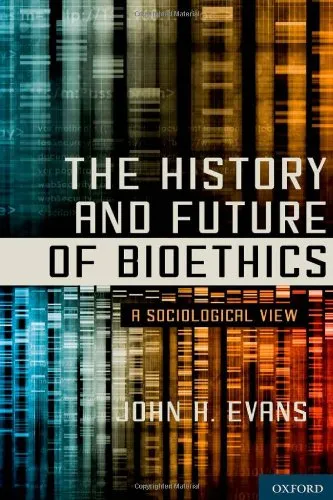
The History and Future of Bioethics: A Sociological View
John H. Evans
English
Intermediate
رمان
5.0 / 5
0 نظر
2011
سال انتشار
252
صفحه
409
بازدید
It seems like every day society faces a new ethical challenge raised by a scientific innovation. Human genetic engineering, stem cell research, face transplantation, synthetic biology - all were science fiction only a few decades ago, but now are all reality. How do we as a soc
پیش از خواندن
این کتاب چه چیزی به شما میدهد؟
It seems like every day society faces a new ethical challenge raised by a scientific innovation. Human genetic engineering, stem cell research, face transplantation, synthetic biology - all were science fiction only a few decades ago, but now are all reality. How do we as a society decide whether these technologies are ethical? For decades professional bioethicists have served as mediators between a busy public and its decision-makers, helping people understand their own ethical concerns, framing arguments, discrediting illogical claims, and supporting promising ones. These bioethicists play an instrumental role in guiding governments' ethical policy decisions, consulting for hospitals faced with vital decisions, and advising institutions that conduct research on humans. Although the bioethics profession has functioned effectively for many years, it is now in crisis. Policy-makers are less inclined to take the advice of bioethics professionals, with many observers saying that bioethics debates have simply become partisan politics with dueling democratic and republican bioethicists. While this crisis is contained to the task of recommending ethical policy to the government, there is risk that it will spread to the other tasks conducted by bioethicists. To understand how this crisis came about and to arrive at a solution, John H. Evans closely examines the history of the bioethics profession. Bioethics debates were originally dominated by theologians, but came to be dominated by the emerging bioethics profession due to the subtle and slow involvement of the government as the primary consumer of bioethical arguments. After the 1980s, however, the views of the government changed, making bioethical arguments less legitimate. Exploring the sociological processes that lead to the evolution of bioethics to where it is today, Evans proposes a radical solution to the crisis. Bioethicists must give up its inessential functions, change the way they make ethical arguments, and make conscious and explicit steps toward re-establishing the profession's legitimacy as a mediator between the public and government decision-makers."John Evans provides a trenchant reconstruction of the waxing and waning influence of theology on the bioethics canon, as well as an original proposal for a social science-based bioethics. This book will fascinate and instruct anyone interested in where we have been and where we should go in our societal conversation about deep human values."- Jonathan Moreno, University of Pennsylvania
از این کتاب بپرس
پرسشت با عنوان و نویسنده همین کتاب برای دستیار ارسال میشود. هر پاسخ ۲ امتیاز مصرف میکند.
وارد شوید تا بتوانید از دستیار کتاب بپرسید.
نظر خوانندگان
0 نظر، میانگین 5.0 از ۵
هنوز نظری ثبت نشده
اگر این کتاب را خواندهاید، تجربهتان را با دیگران به اشتراک بگذارید.
نظر خودت را بنویس
وارد شوید تا نظر خود را ثبت کنید.
پرسش و پاسخ خوانندگان
سؤال مشخص بپرس و از تجربه جامعه استفاده کن.
وارد شوید تا سؤال بپرسید یا پاسخ بدهید.
هنوز پرسشی ثبت نشده
اولین سؤال روشن و مفید را شما مطرح کنید.
بعد از این چه بخوانم؟
منابع مرتبط برای ادامه همین مسیر.
Crossing the Line: Violence, Play, and Drama in Naval Equator Traditions
Simon J. Bronner
2007
مشاهدهٔ کتاب