معرفی و ارزیابی کتاب
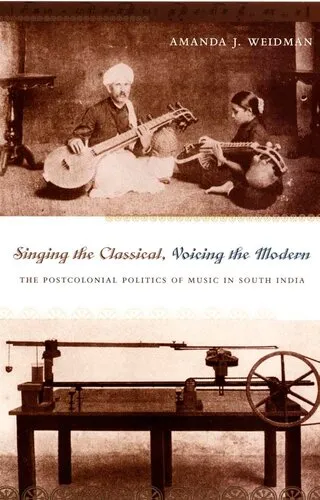
Singing the Classical, Voicing the Modern: The Postcolonial Politics of Music in South India
Amanda J. Weidman
English
Intermediate
رمان
4.9 / 5
0 نظر
2006
سال انتشار
367
صفحه
369
بازدید
While Karnatic music, a form of Indian music based on the melodic principle of raga and time cycles called tala, is known today as South India’s classical music, its status as “classical” is an early-twentieth-century construct, one that emerged in the crucible of colonial modern
پیش از خواندن
این کتاب چه چیزی به شما میدهد؟
While Karnatic music, a form of Indian music based on the melodic principle of raga and time cycles called tala, is known today as South India’s classical music, its status as “classical” is an early-twentieth-century construct, one that emerged in the crucible of colonial modernity, nationalist ideology, and South Indian regional politics. As Amanda J. Weidman demonstrates, in order for Karnatic music to be considered classical music, it needed to be modeled on Western classical music, with its system of notation, composers, compositions, conservatories, and concerts. At the same time, it needed to remain distinctively Indian. Weidman argues that these contradictory imperatives led to the emergence of a particular “politics of voice,” in which the voice came to stand for authenticity and Indianness.Combining ethnographic observation derived from her experience as a student and performer of South Indian music with close readings of archival materials, Weidman traces the emergence of this politics of voice through compelling analyses of the relationship between vocal sound and instrumental imitation, conventions of performance and staging, the status of women as performers, debates about language and music, and the relationship between oral tradition and technologies of printing and sound reproduction. Through her sustained exploration of the way “voice” is elaborated as a trope of modern subjectivity, national identity, and cultural authenticity, Weidman provides a model for thinking about the voice in anthropological and historical terms. In so doing, she shows that modernity is characterized as much by particular ideas about orality, aurality, and the voice as it is by regimes of visuality.
از این کتاب بپرس
پرسشت با عنوان و نویسنده همین کتاب برای دستیار ارسال میشود. هر پاسخ ۲ امتیاز مصرف میکند.
وارد شوید تا بتوانید از دستیار کتاب بپرسید.
نظر خوانندگان
0 نظر، میانگین 4.9 از ۵
هنوز نظری ثبت نشده
اگر این کتاب را خواندهاید، تجربهتان را با دیگران به اشتراک بگذارید.
نظر خودت را بنویس
وارد شوید تا نظر خود را ثبت کنید.
پرسش و پاسخ خوانندگان
سؤال مشخص بپرس و از تجربه جامعه استفاده کن.
وارد شوید تا سؤال بپرسید یا پاسخ بدهید.
هنوز پرسشی ثبت نشده
اولین سؤال روشن و مفید را شما مطرح کنید.
بعد از این چه بخوانم؟
منابع مرتبط برای ادامه همین مسیر.
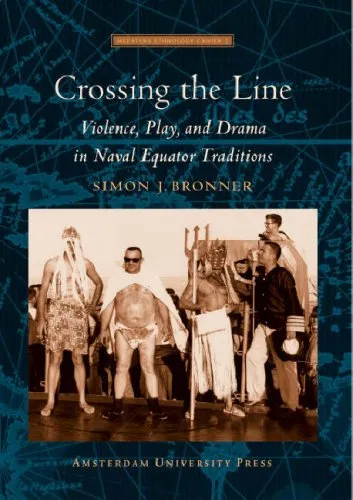
Crossing the Line: Violence, Play, and Drama in Naval Equator Traditions
Simon J. Bronner
2007
مشاهدهٔ کتاب