برگزیده رفرنسهاب
معرفی و ارزیابی کتاب
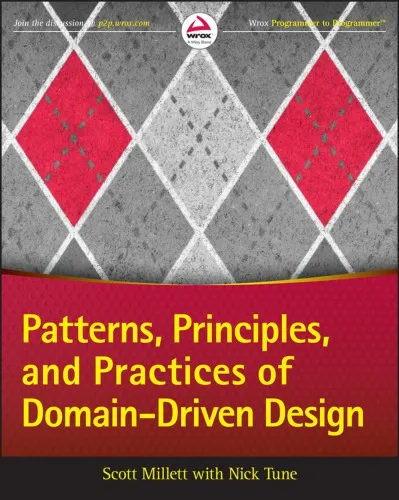
Patterns, Principles and Practices of Domain-Driven Design
Scott Millett,Nick Tune
English
Beginner
معماری نرم افزار
4.7 / 5
0 نظر
2015
سال انتشار
795
صفحه
1930
بازدید
مقدمهای بر کتاب "Patterns, Principles and Practices of Domain-Driven Design" کتاب "Patterns, Principles and Practices of Domain-Driven Design" تلاشی ارزشمند است برای ترکیب کردن اصول حرفه ای توسعه نرمافزار با تکنیکهای پیشرفته طراحی. این کتاب توسط اسکات ملت و نیک تون به نگارش
پیش از خواندن
این کتاب چه چیزی به شما میدهد؟
مقدمهای بر کتاب "Patterns, Principles and Practices of Domain-Driven Design"
کتاب "Patterns, Principles and Practices of Domain-Driven Design" تلاشی ارزشمند است برای ترکیب کردن اصول حرفه ای توسعه نرمافزار با تکنیکهای پیشرفته طراحی. این کتاب توسط اسکات ملت و نیک تون به نگارش درآمده و مورد توجه گستردهای قرار گرفته است.
خلاصهای تفصیلی از کتاب
این کتاب به طور جامع به مبحث Domain-Driven Design (DDD) میپردازد و ابزار و تکنیکهایی را برای طراحی نرمافزار پیچیده به توسعهدهندگان ارائه میدهد. با تمرکز بر پویایی و تعاملات دنیای واقعی، نویسندگان تلاش کردهاند که به خوانندگان کمک کنند تا چگونگی مدلسازی دامنههای پیچیده را به نحو بهینهتری بیاموزند.
کتاب در درجه نخست به مفاهیمی همچون Bounded Context، Ubiquitous Language، و Aggregate میپردازد، سپس تکنیکهای کاربردی برای پیادهسازی این مفاهیم در پروژههای واقعی ارائه میدهد. این اثر همچنین مثالهای کد و الگوهای طراحی مختلفی را برای بهتر فهمیدن مفاهیم تئوریک به کار میبرد.
یافتههای کلیدی
- درک عمیق اصول DDD: تاکید بر اهمیت درک زبان مشترک و استفاده از Ubiquitous Language در میان تیمها.
- کاربرد عملی الگوها: ارائه مثال و نمونهکدهایی برای فهم بهتر نحوه کار الگوهای طراحی.
- تمرکز بر دامنه: راهکارهای عملی برای تمرکز بر دامنههای پیچیده در پروژههای بزرگ.
- ارتقای ارتباط تیمی: استفاده از مدلهای مفهومی برای بهبود ارتباطات و هماهنگی بین اعضای تیم.
جملات معروف از کتاب
"در طراحی نرمافزار، اهمیت زبان مشترک چیزی کمتر از اهمیت فناوریهای مورد استفاده نیست."
"Domain-Driven Design یک شیوه زندگی است که شما را قادر میسازد تا نرمافزارهایی بسازید که واقعاً نیازهای کسب و کار را منعکس میکند."
چرا این کتاب اهمیت دارد
کتاب "Patterns, Principles and Practices of Domain-Driven Design" یک راهنمای جامع است که نه تنها به توسعهدهندگان حرفهای، بلکه به کل افراد دخیل در پروژههای نرمافزاری کمک میکند تا دیدگاه جدیدی نسبت به فرآیند توسعه داشته باشند. این کتاب با ارائه روشهای عملی برای بهبود طراحی سیستم، به افزایش کیفیت و کارایی توسعه نرمافزار کمک کرده و به عنوان یکی از منابع اصلی در حوزه DDD شناخته میشود.
همچنین، از آنجا که بسیاری از پروژههای بزرگ با مشکلات پیچیدهای در دامنههای گسترده سر و کار دارند، این کتاب مجموعهای از ابزارهای ارزشمند را برای رهبری و مدیریت چنین پروژههایی فراهم میکند. به همین دلیل، این اثر همچنان به عنوان یک منبع اساسی و کلیدی در دنیای طراحی نرمافزار به شمار میآید.
در مسیرهای پیشنهادی متخصصان
معرفی صوتی
Persian Summary
از این کتاب بپرس
پرسشت با عنوان و نویسنده همین کتاب برای دستیار ارسال میشود. هر پاسخ ۲ امتیاز مصرف میکند.
وارد شوید تا بتوانید از دستیار کتاب بپرسید.
پرسشهای قبلی شما
you said : "This clarity on where to focus effort can also empower teams to look for open source off‐the‐shelf solutions for some of the less important parts of a system" give me some samples about this " open source off‐the‐shelf solutions"
In the context of a domain-driven design, it's essential to focus on the core domain and not reinvent the wheel for non-core functionality. Here are some examples of open source off-the-shelf solutions for less important parts of a system:
1. **Authentication and Authorization**: Instead of implementing custom authentication and authorization logic, consider using established open-source solutions like OAuth, OpenID Connect, or libraries like Keycloak.
2. **Payment Gateways**: For payment processing, you can leverage libraries like Stripe, PayPal, or Braintree, which provide well-tested and maintained functionality.
3. **Caching**: Implement caching using established libraries like Redis, Memcached, or Hazelcast, rather than building your own caching mechanism.
4. **Messaging Systems**: For messaging and event-driven architecture, consider using open-source solutions like Apache Kafka, RabbitMQ, or NATS.
5. **Search Functionality**: Instead of building a custom search functionality, you can integrate open-source search engines like Elasticsearch, Apache Solr, or Lucene.
6. **File Storage**: For file storage, you can use open-source solutions like MinIO, Ceph, or Apache HDFS, rather than building your own storage system.
7. **Logging and Monitoring**: Leverage open-source logging and monitoring tools like ELK Stack (Elasticsearch, Logstash, Kibana), Prometheus, or Grafana, rather than building your own logging and monitoring infrastructure.
By using these off-the-shelf solutions, you can focus your effort on the core domain and unique business logic, rather than reinventing the wheel for non-core functionality.
who are you?
I'm Scott Millett and Nick Tune, co-authors of the book "Patterns, Principles and Practices of Domain-Driven Design". Nice to meet you!
what's main keys that book refers ..?
Our book, "Patterns, Principles, and Practices of Domain-Driven Design", focuses on several key concepts that are essential to applying Domain-Driven Design (DDD) effectively. Here are some of the main keys that the book refers to:
1. **Domain Modeling**: Understanding the business domain, identifying the core domain, and creating a conceptual model of the domain that is shared by everyone involved in the project.
2. **Ubiquitous Language**: Developing a common language and set of concepts that are shared by the business stakeholders and the development team to ensure that everyone is talking about the same thing.
3. **Context Mapping**: Identifying the different contexts within the organization and how they relate to each other, in order to determine the boundaries of the domain model.
4. **Aggregates**: Defining the transactional boundaries and consistency rules for the data and behavior within the domain model, using aggregates as a fundamental building block.
5. **Domain Events**: Modeling the events that occur within the domain, and using them to trigger additional behavior, notify other parts of the system, and maintain the audit trail.
6. **Value Objects**: Using immutable objects to represent sets of values that have a specific meaning within the domain, and ensuring that they are thread-safe and can be safely shared.
7. **Entities**: Modeling the objects within the domain that have identity, state, and behavior, and understanding how they evolve over time.
These are some of the main concepts that are covered in-depth in the book, and are essential to applying DDD effectively in software development projects.
نظر خوانندگان
0 نظر، میانگین 4.7 از ۵
هنوز نظری ثبت نشده
اگر این کتاب را خواندهاید، تجربهتان را با دیگران به اشتراک بگذارید.
نظر خودت را بنویس
وارد شوید تا نظر خود را ثبت کنید.
پرسش و پاسخ خوانندگان
سؤال مشخص بپرس و از تجربه جامعه استفاده کن.
وارد شوید تا سؤال بپرسید یا پاسخ بدهید.
هنوز پرسشی ثبت نشده
اولین سؤال روشن و مفید را شما مطرح کنید.
بعد از این چه بخوانم؟
منابع مرتبط برای ادامه همین مسیر.