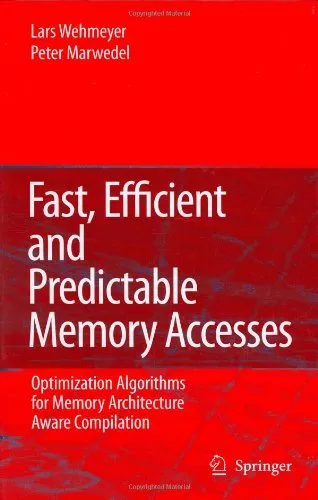
Fast, Efficient and Predictable Memory Accesses: Optimization Algorithms for Memory Architecture Aware Compilation
4.0
بر اساس نظر کاربران
شما میتونید سوالاتتون در باره کتاب رو از هوش مصنوعیش بعد از ورود بپرسید
Each download or book AI question costs 2 points. Purchase more pointsکتاب های مرتبط:
معرفی کتاب
کتاب "Fast, Efficient and Predictable Memory Accesses: Optimization Algorithms for Memory Architecture Aware Compilation" یکی از آثار برجستهای است که در زمینه بهینهسازی دسترسی به حافظه و تأثیر آن بر عملکرد سیستمهای محاسباتی به نگارش درآمده است. این کتاب به بررسی دقیق الگوریتمهایی میپردازد که دسترسی سریعتر، کارآمدتر و پیشبینیپذیرتر به حافظه را امکانپذیر میسازند. نویسندگان این کتاب، Lars Wehmeyer و Peter Marwedel، با بهرهگیری از دانش گسترده خود در زمینه معماری حافظه و Compilation، راهکارهایی را برای مهندسان نرمافزار و توسعهدهندگان سیستمهای جاسازی شده ارائه میکنند تا بتوانند عملکرد برنامههای خود را بهبود بخشند.
خلاصهای از کتاب
در این کتاب، نویسندگان به بررسی جریان کلی دسترسی به حافظه و موانعی که میتوانند بر کارایی سیستم اثر بگذارند، میپردازند. فصلهای ابتدایی کتاب به توضیح علمی معماری حافظه و مشکلاتی که در دستیابی به نتایج پیشبینیپذیر وجود دارد، اختصاص یافته است. سپس، اصول الگوریتمهای بهینهسازی ارائه میشود که با فناوریهای پیشرفته در Compiler Design ادغام شده و امکان کاهش Latency حافظه را فراهم میآورد. علاوه بر این، مفاهیمی نظیر Memory Hierarchy، Cache Optimization و Data Locality به صورت عمیق بررسی میشوند.
این کتاب شامل مثالهای عملی، تحلیل دادههای واقعی و توصیههایی است که نشان میدهند چگونه میتوان عملکرد سیستمهای درون-خطی و سیستمهای پیچیده دیگر را ارتقاء داد.
نکتههای کلیدی
- درک مکانیزمهای کلیدی در پشت پرده معماری حافظه، از جمله Cache و حافظه اصلی.
- روشهای بهینهسازی دسترسی به حافظه برای سیستمهای جاسازی شده و ادغام فناوری در Compilation.
- مطالعه تکنیکهای بهینهسازی معماری-محور برای افزایش سرعت پردازش دادهها.
- ارزیابی الگوریتمهای نوآورانه و تأثیر آنها بر کاهش هزینههای پردازشی.
- شناسایی مشکلات غیرمنتظره در عملکرد حافظه و روشهای پیشنهادی برای رفع آنها.
جملات معروف از کتاب
"Improving memory access patterns is not merely an optimization step but a fundamental requirement for meeting the performance demands of modern systems."
"Memory hierarchies must be understood, not as a bottleneck, but as a challenge to be embraced through innovation."
چرا این کتاب اهمیت دارد؟
در دورهای که پیچیدگی سیستمهای محاسباتی و تقاضا برای سرعت و کارایی به شدت در حال افزایش است، تفهیم کامل معماری حافظه ضروری به نظر میرسد. این کتاب به جای رویکردهای معمولی و تحت تأثیر عملیات سطحی، به عمق مسئله پرداخته و مفاهیمی علمی، عملی و قابلاجرا را ارائه میدهد. اهمیت دیگر این کتاب در تمرکز آن بر ادغام دانش معماری حافظه با تکنیکهای پیشرفته در بهینهسازی Compiler است که به خالقان نرمافزار امکان طراحی سامانهای سریعتر و بهینهتر را میدهد. اگر شما یک مهندس نرمافزار، دانشمند علوم کامپیوتر یا محقق علاقهمند به این حوزه هستید، این کتاب به شما کمک خواهد کرد تا مرزهای عملکرد سیستم خود را گسترش دهید.
Introduction to 'Fast, Efficient and Predictable Memory Accesses'
Memory management plays a pivotal role in the design and execution of efficient software, particularly in systems with stringent performance requirements. The book 'Fast, Efficient and Predictable Memory Accesses: Optimization Algorithms for Memory Architecture Aware Compilation' delves deeply into this topic, offering readers a comprehensive guide to understanding, analyzing, and optimizing memory usage for modern software systems.
In the era of cutting-edge applications, from embedded systems to high-performance computing, addressing the memory-access bottleneck is synonymous with achieving faster, more reliable execution. This book addresses the multidimensional challenges of memory optimization, providing solutions underpinned by innovative algorithms and tailored techniques. The focus is not only limited to speed and efficiency but also extends to predictability, ensuring systems meet hard deadlines in real-time environments.
Detailed Summary
This book is a meticulous exploration of memory architecture-aware compilation. It presents detailed insights on how to align software design with hardware intricacies, focusing on bridging the gap between computation and memory systems effectively.
Across its chapters, the book tackles critical memory-related issues such as cache performance, data layout optimization, and latency reduction. Readers are guided through analytical techniques, runtime algorithms, and static code transformations crafted to enhance memory access patterns. Special emphasis is placed on predictability, which is crucial for real-time systems and embedded applications. Additionally, the book discusses both theoretical underpinnings and practical implementations, making it beneficial for researchers, software engineers, and educators alike.
Some key aspects covered in the book include:
- Understanding memory hierarchies and their impact on application performance.
- Optimization algorithms for improving cache utilization and memory bandwidth.
- Data structuring and transformations for enhanced memory predictability.
- Compiler-based techniques for memory management.
- Case studies and benchmarks demonstrating real-world efficacy of presented methodologies.
Key Takeaways
Here are some of the most significant lessons and takeaways offered in this book:
- A detailed understanding of the interplay between software and memory subsystems, crucial for performance enhancement.
- Techniques to ensure systems achieve both speed and predictability, especially in resource-constrained or real-time environments.
- Practical strategies for addressing memory bottlenecks encountered during software development.
- Knowledge on modern compiler optimization features for memory-aware compilation techniques.
- A deeper appreciation of the importance of aligning data access patterns with architectural characteristics of hardware.
Famous Quotes from the Book
Throughout the book, several notable quotes stand out, offering wisdom relevant to developers and researchers alike:
"The efficiency of any application hinges as much on how it accesses data as on the algorithms it employs."
"Real-time constraints are not just about computation speed; they are about ensuring data availability at the right moment."
"Memory-aware software design transforms potential inefficiencies into opportunities for optimization."
Why This Book Matters
In a world increasingly driven by performance-critical applications, memory optimization is no longer optional—it is essential. This book stands out by addressing memory access issues holistically, encompassing both theoretical and practical perspectives.
Unlike generic resources on programming or system design, this book specifically focuses on the often-overlooked details that connect hardware and software. By enabling readers to recognize and leverage architectural features of memory systems, it empowers them to build applications that are not only faster but also more reliable and deterministic in their behavior. This holds immense value across domains such as embedded systems, gaming, real-time processing, and high-performance computing.
Ultimately, 'Fast, Efficient and Predictable Memory Accesses' provides the knowledge and tools necessary to navigate the complexity of modern memory systems successfully. Its contributions are indispensable for anyone striving to master the art of creating optimized, predictable, and efficient software solutions.
Book download
شما میتونید سوالاتتون در باره کتاب رو از هوش مصنوعیش بعد از ورود بپرسید
دسترسی به کتابها از طریق پلتفرمهای قانونی و کتابخانههای عمومی نه تنها از حقوق نویسندگان و ناشران حمایت میکند، بلکه به پایداری فرهنگ کتابخوانی نیز کمک میرساند. پیش از دانلود، لحظهای به بررسی این گزینهها فکر کنید.
این کتاب رو در پلتفرم های دیگه ببینید
WorldCat به شما کمک میکنه تا کتاب ها رو در کتابخانه های سراسر دنیا پیدا کنید
امتیازها، نظرات تخصصی و صحبت ها درباره کتاب را در Goodreads ببینید
کتابهای کمیاب یا دست دوم را در AbeBooks پیدا کنید و بخرید
1313
بازدید4.0
امتیاز0
نظر98%
رضایتنظرات:
4.0
بر اساس 0 نظر کاربران
Questions & Answers
Ask questions about this book or help others by answering
No questions yet. Be the first to ask!