Loading
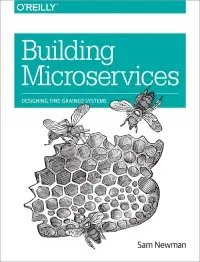
Cover of Building Microservices: Designing Fine-Grained Systems (First Edition)

برگزیده رفرنس‌هاب

English Advanced مهندسی نرم‌افزار

Building Microservices: Designing Fine-Grained Systems (First Edition)

Sam Newman

Sam Newman

5.0 / 5

2 نظر

2015

سال انتشار

473

صفحه

1001

بازدید

مقدمه‌ای بر کتاب "Building Microservices: Designing Fine-Grained Systems" کتاب "Building Microservices: Designing Fine-Grained Systems" اثر Sam Newman در اولین نسخه خود با هدف ارائه راهنمایی جامع در مورد طراحی و پیاده‌سازی سیستم‌های Microservices، به خوانندگان معرفی شده است.

درباره این کتاب

مقدمه‌ای بر کتاب "Building Microservices: Designing Fine-Grained Systems"

کتاب "Building Microservices: Designing Fine-Grained Systems" اثر Sam Newman در اولین نسخه خود با هدف ارائه راهنمایی جامع در مورد طراحی و پیاده‌سازی سیستم‌های Microservices، به خوانندگان معرفی شده است. این کتاب به علت رویکرد عملی و جزئی‌نگری که در آن اتخاذ شده، تناسب بالایی برای مهندسین نرم‌افزار، معماران سیستم و توسعه‌دهندگانی دارد که به دنبال یادگیری و کاربرد Microservices هستند.

چکیده‌ای دقیق از کتاب

کتاب "Building Microservices" به تفصیل به بررسی اصول و شرایط لازم برای پیاده‌سازی Microservices می‌پردازد. نویسنده، Sam Newman، با ارائه تجربه‌های واقعی از پروژه‌ها و چالش‌هایی که در ایجاد سیستم‌های Microservices پیش می‌آید، سعی دارد تا به خوانندگان چارچوبی سیستماتیک جهت تحلیل و طراحی این معماری نوین ارائه دهد. او به موضوعاتی همچون چگونگی تعیین مرزهای سرویس‌ها، فرآیند توسعه، و مدیریت دسترسی‌ها پرداخته و بهترین شیوه‌های عملی را ارائه می‌دهد.

نکات کلیدی

  • درک مفاهیم پایه‌ای Microservices و مزایای آن نسبت به معماری‌های سنتی.
  • چگونگی تقسیم یک سیستم به اجزای کوچک‌تر و مستقل‌تر.
  • روش‌های کارآمد برای مدیریت دیتا و پیام‌رسانی بین سرویس‌ها.
  • پیاده‌سازی استراتژی‌های نظارتی و امنیتی برای حفاظت از سیستم‌ها.

نقل‌قول‌های معروف از کتاب

"ساخت یک سیستم Microservices همانند ساختن یک تیم ارکستراست، هر عضو نقشی خاص دارد ولی جهت کسب موفقیت باید هماهنگ با دیگر اعضا باشد."

"محدود کردن اندازه‌ی Microservices به شما اجازه می‌دهد تا شتاب بگیرید، اما ارتباط آن‌هاست که موفقیت پروژه را تعیین می‌کند."

چرا این کتاب اهمیت دارد

این کتاب برای کسانی که در حوزه توسعه نرم‌افزار و معماری سیستم‌ها فعالیت می‌کنند، اهمیت ویژه‌ای دارد. با افزایش تقاضا برای سیستم‌های مقیاس‌پذیر و پویا، فهم درست و دقیق Microservices به یک نیاز اساسی تبدیل شده است. علاوه بر این، Sam Newman به دلیل تجارب کاری و دانش عمیق خود در این زمینه، توانسته پلی محکم میان نظریه و عمل در این کتاب بنا کند. از این رو، "Building Microservices" نه تنها به عنوان یک مرجع مهم، بلکه به عنوان راهنمای عملی برای توسعه‌دهندگان و معماران مدرن شناخته می‌شود.

معرفی صوتی

Persian Summary

از این کتاب بپرس

پرسشت با عنوان و نویسنده همین کتاب برای دستیار ارسال می‌شود. هر پاسخ ۲ امتیاز مصرف می‌کند.

وارد شوید تا بتوانید از دستیار کتاب بپرسید.

پرسش‌های قبلی شما

What Are Microservices?
In my book, "Building Microservices", I describe microservices as a software development approach that structures an application as a collection of small, independent services. These services are designed to be loosely coupled, organized around business capabilities, and owned by small teams. Microservices are typically characterized by several key features: 1. **Loose Coupling**: Each microservice is designed to be independent and autonomous, with its own database and infrastructure. 2. **Organized Around Business Capabilities**: Microservices are organized around the business capabilities they provide, rather than being structured by technical layers or components. 3. **Decentralized Data Management**: Each microservice manages its own data, and there is no centralized data repository. 4. **Interservice Communication**: Microservices communicate with each other using lightweight protocols, such as REST or message queues. 5. **Autonomy**: Each microservice is designed to be autonomous, with its own development cycle, and can be deployed independently. By structuring an application as a collection of microservices, organizations can achieve greater flexibility, scalability, and resilience. However, microservices also introduce additional complexity, and require careful consideration of issues such as service integration, data consistency, and distributed transactions.
you have a topic named "Modules" what is this modules in real project ?
In the context of "Building Microservices", when I talk about "Modules", I'm referring to a way of organizing code within a microservice. In a real project, a module is a self-contained unit of code that represents a specific functionality or a subset of functionality within a microservice. Think of it as a namespace or a package that groups related classes, interfaces, and other code artifacts together. Modules are not the same as microservices. While a microservice is an independent deployable unit, a module is a way of structuring code within that microservice. You can think of a microservice as a container, and modules are the internal components that make up that container. For example, let's say you're building an e-commerce microservice that handles orders. Within that microservice, you might have modules for: * Order processing * Payment handling * Inventory management * Shipping integrations Each of these modules would contain the code specific to that functionality, and they would work together to provide the overall order management capabilities of the microservice. By breaking down the code into modules, you can create a more maintainable, scalable, and understandable codebase within each microservice.

نظر خوانندگان

2 نظر · میانگین 5.0 از ۵

sajjad

2024/01/29

5 / 5

Inspiring book!
sajjad

2024/01/29

5 / 5

Inspiring book!

نظر خودت را بنویس

وارد شوید تا نظر خود را ثبت کنید.

پرسش و پاسخ خوانندگان

سؤال مشخص بپرس و از تجربه جامعه استفاده کن.

وارد شوید تا سؤال بپرسید یا پاسخ بدهید.

هنوز پرسشی ثبت نشده

اولین سؤال روشن و مفید را شما مطرح کنید.

منابع مرتبط برای ادامه همین مسیر.